

Artistic Initiative for the Regulation of Artificial Intelligence
Artistic Initiative for the Regulation of Artificial Intelligence
Artistic Initiative for the Regulation of Artificial Intelligence
Artistic Initiative for the Regulation of Artificial Intelligence
Artistic Initiative for the Regulation of Artificial Intelligence
Artistic Initiative for the Regulation of Artificial Intelligence
Artistic Initiative for the Regulation of Artificial Intelligence
Artistic Initiative for the Regulation of Artificial Intelligence Artistic Initiative for the Regulation of Artificial Intelligence Artistic Initiative for the Regulation of Artificial Intelligence Artistic Initiative for the Regulation of Artificial Intelligence Artistic Initiative for the Regulation of Artificial Intelligence Artistic Initiative for the Regulation of Artificial Intelligence Artistic Initiative for the Regulation of Artificial Intelligence
KIKI is an artistic initiative dedicated to the regulation of artificial intelligence, serving as a watchdog over the use of AI in cultural and public spheres. We advocate for AI regulations that protect culture and society.
What is AI?
Artificial Intelligence (AI) is computer software/technology trained on datasets. Generative AI refers to AI that learns patterns from datasets to generate new outputs that resemble the original data. In our AI-criticism we differentiate between two forms of artificial intelligence. OK AI and problematic AI. When KIKI talks about AI, we are mainly targeting problematic AI:
OK KI
• AI trained with permission.
• AI trained on relatively small datasets.
• AI that has specific goals, with measurable, evaluable results.
• AI that doesn’t directly compete with the original training material.
• Machine learning that is utilised for the greater good within domains such as climate, health, human rights etc.
• Machine learning and use that is considerate, taking climate and environment into account.
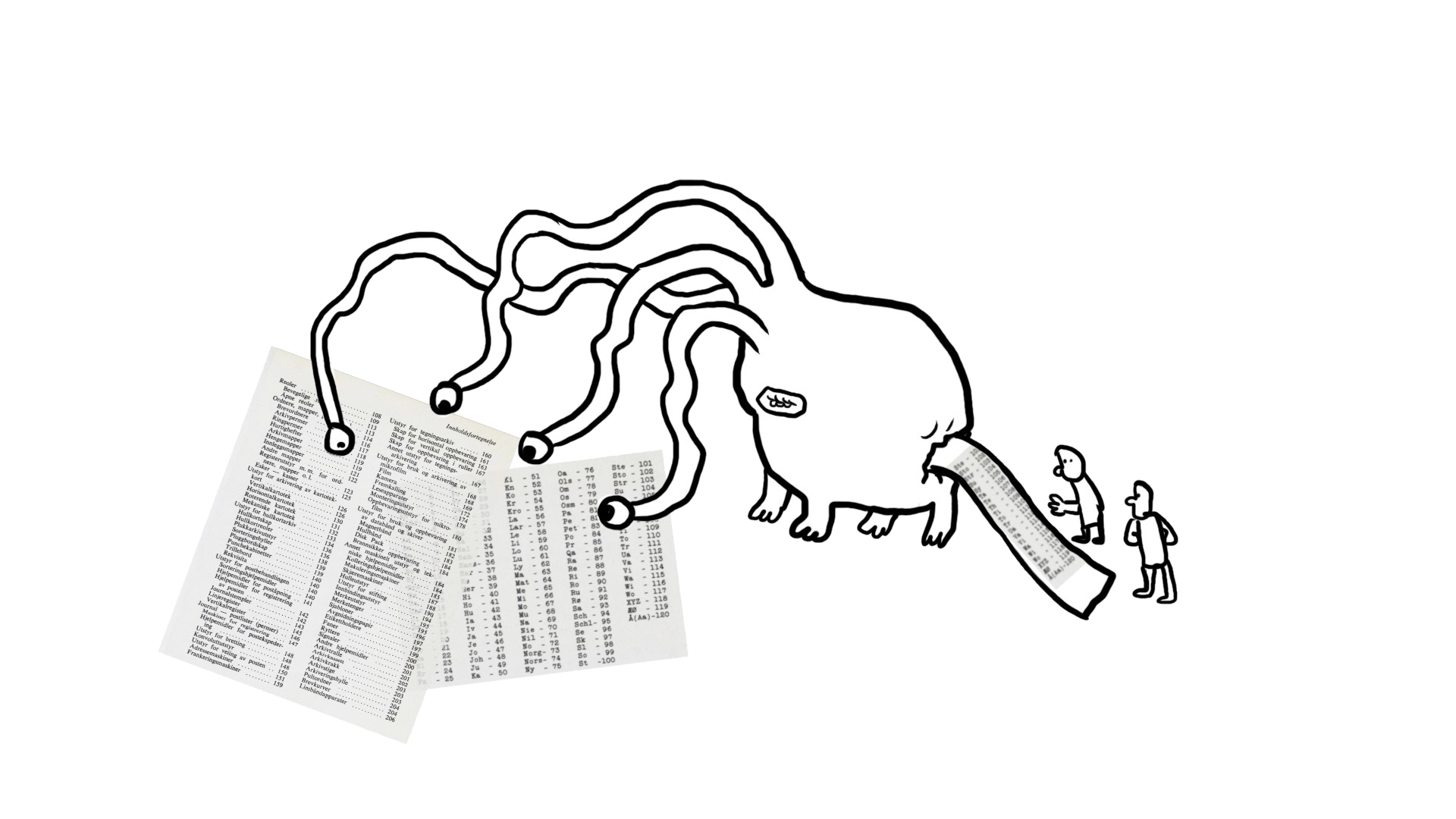
Examples: Motion capture use in animation and games. Translation in situations that are not subject to commerical or serious usage. Soundproofing and acoustic isolation, object detection, classification of objects etc. AI use in research that follow ethical guidelines based on our values of consent and democracy.
PROBLEMATIC AI
• AI trained on massive datasets without permission.
• AI that competes with the original training material in the market.
• AI that disregards privacy and copyright.
• AI that fails to account for it’s climate and environmental impact.
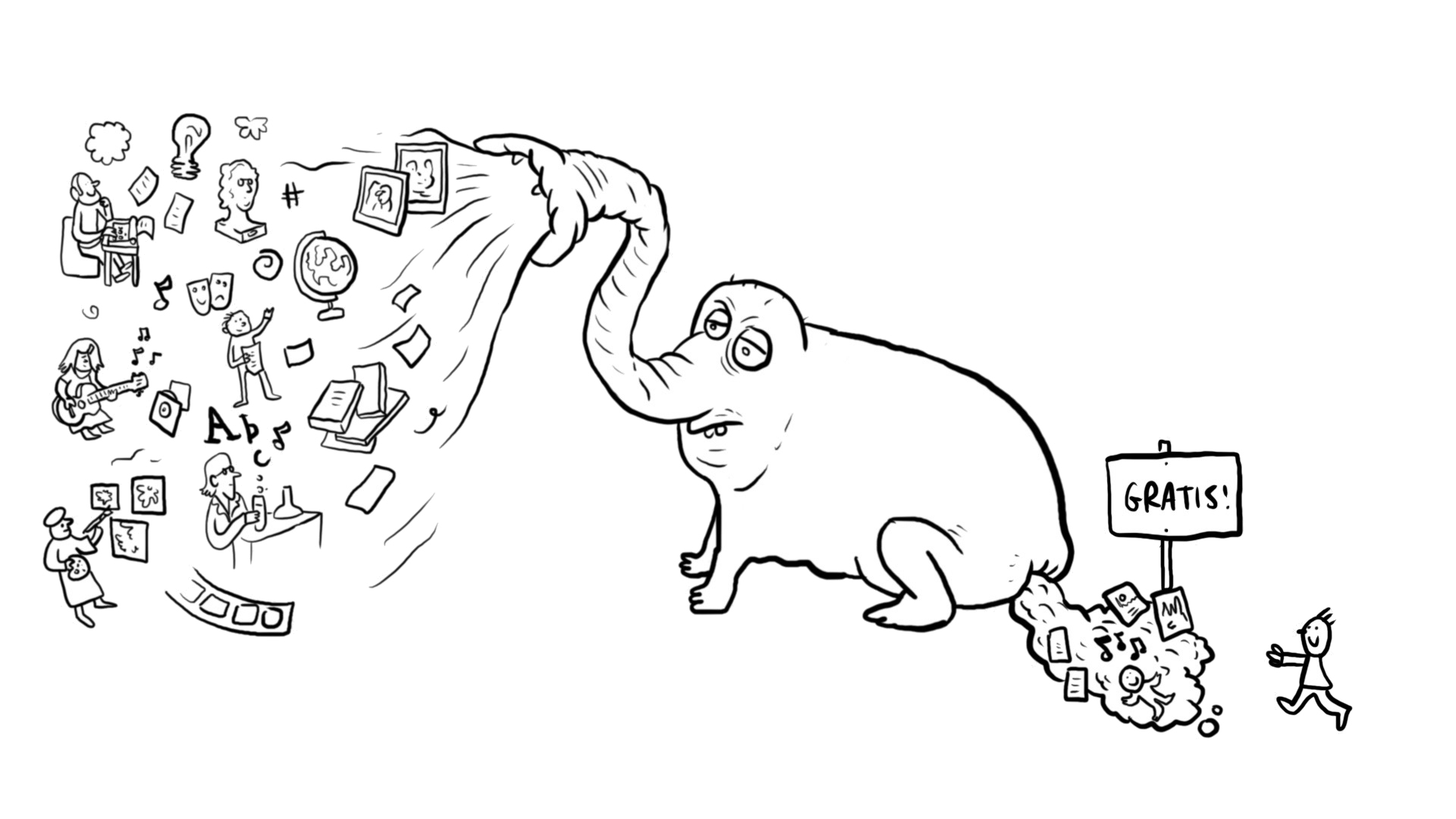
Examples: Image generators (INCLUDING those that generate backgrounds, such as Adobe Firefly, Stable Diffusion, Midjourney, Runway ML, Dall-E). Voice generators (ElevenLabs is a typical example). Music and audiogenerators (Suno and Udio). LLM and Multimodal models (ChatGPT, Claude, Devin, LLaMa).
-
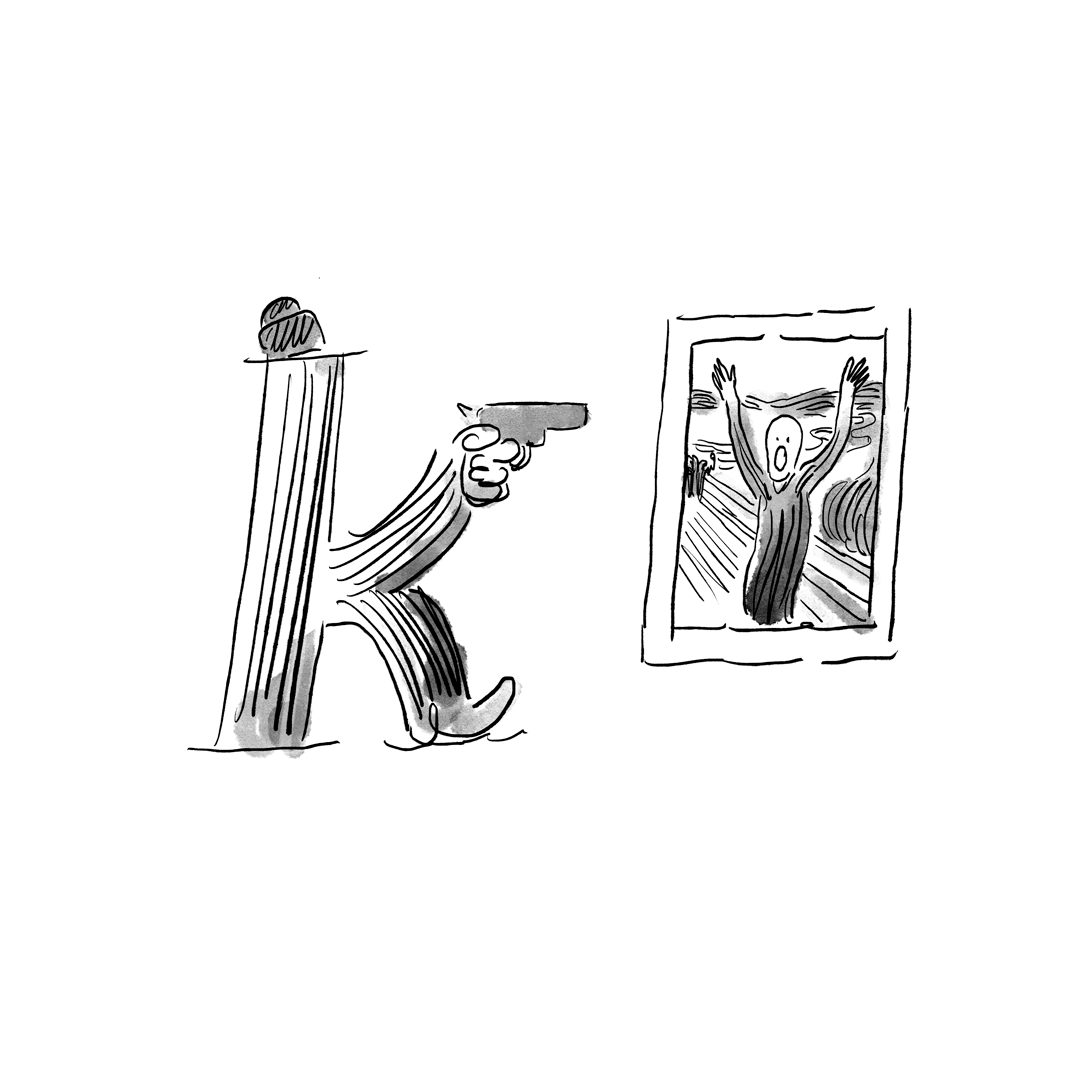
COPYRIGHTS, LAW AND ETHICS
-
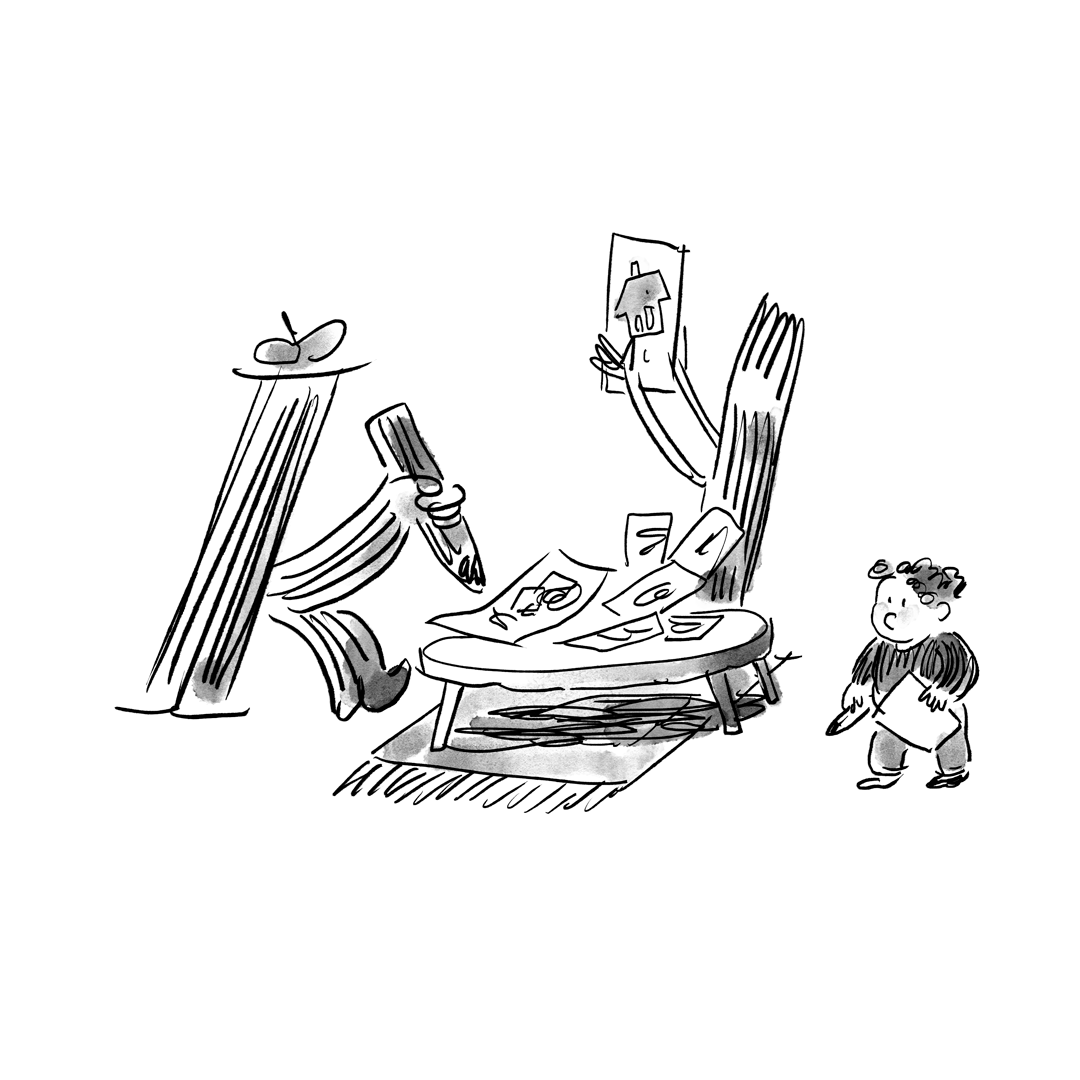
MAN-MADE ART IN DANGER
-
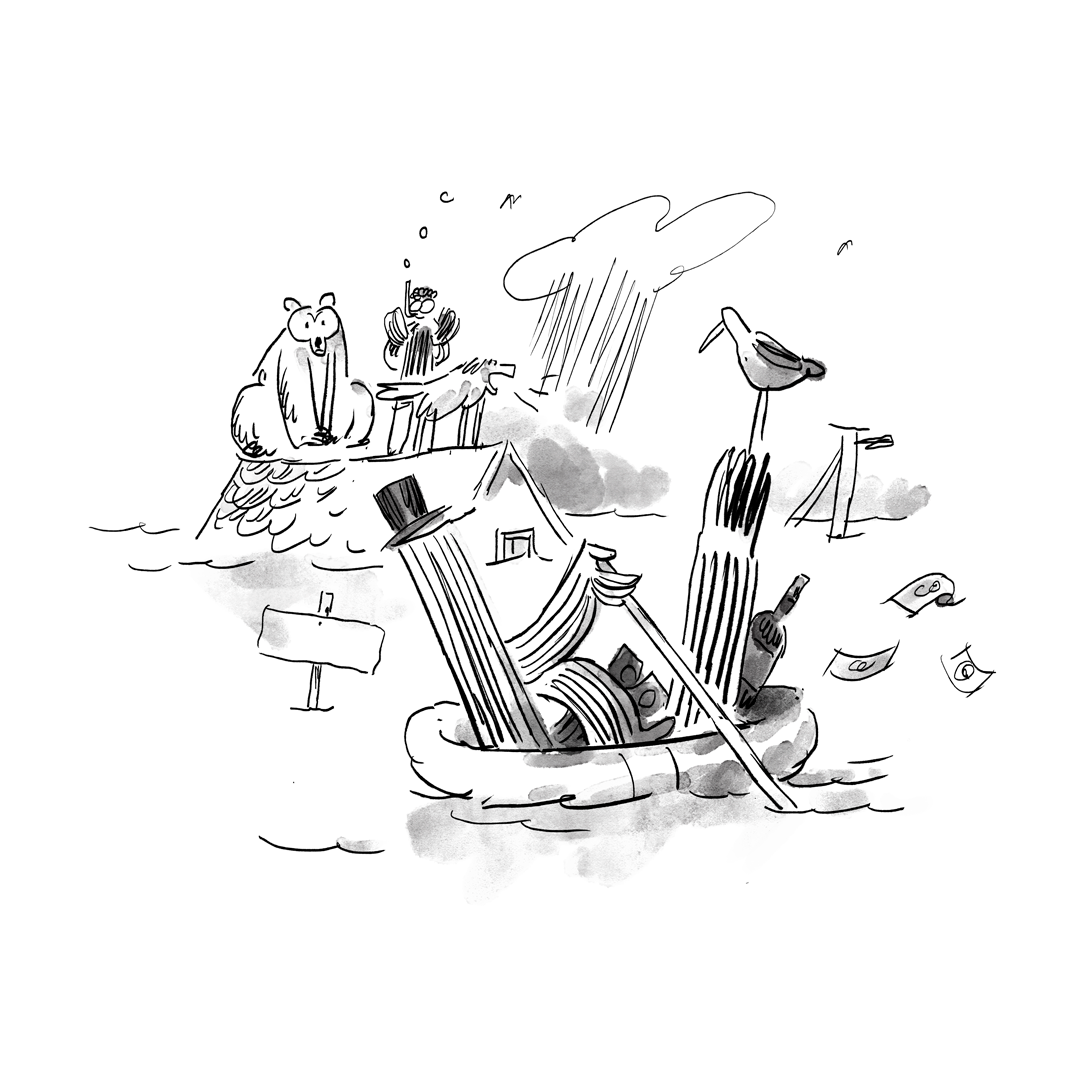
AI IS HARMFUL TO THE ENVIRONMENT
-
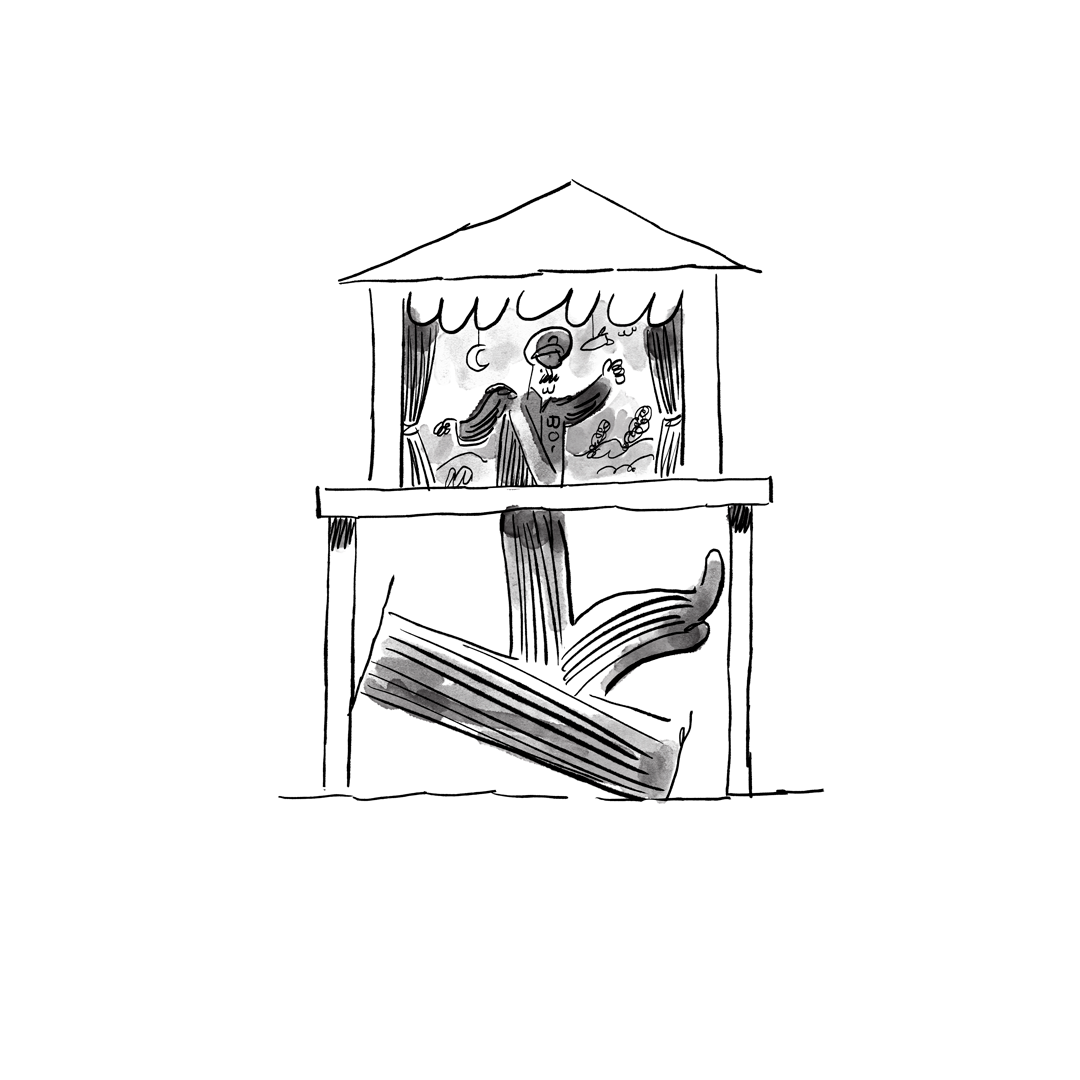
DISINFORMATION AND SPAM
-
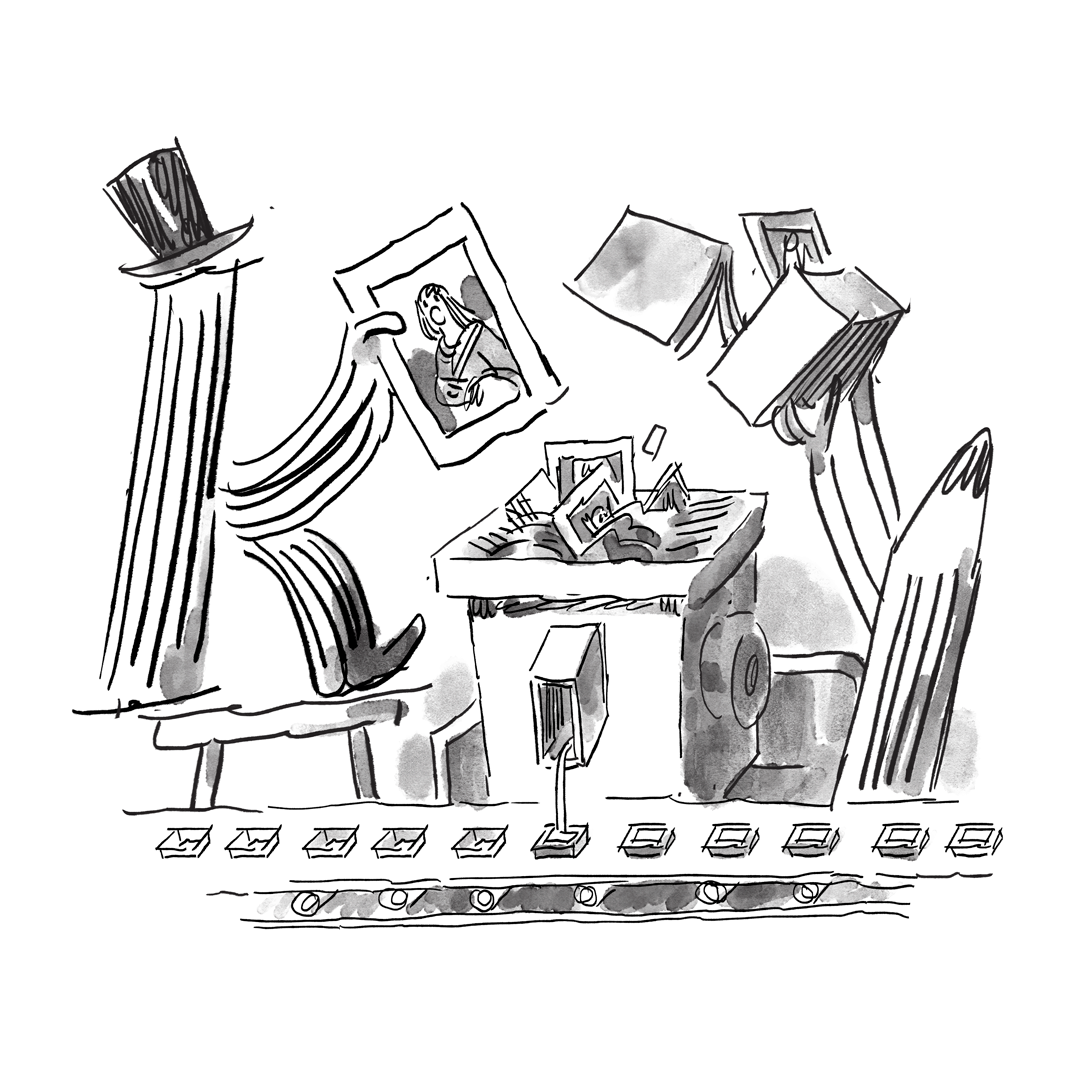
AI AS A REACTIVE VALUE CREATOR
-

WHAT CAN YOU DO?
KIKI encourages everyone to utilise text, illustration, music and ideas created by humans.
We want regulations and clear guidelines for the use of AI in public and private domains. Departments, directories, muncipialities, educational institutions and serious businesses are particularly asked to conduct thorough evaluation of which guidelines should apply for the use of AI. It is our opinion that a majority of AI-generated material violates copyright law, and should therefore, in some cases, be prohibited in public settings
We believe that the government should introduce formal labeling of AI-generated material.
It should be made easier for individuals to take legal action towards companies for copyright infringement, and we want sanctions against companies that refuse to uphold existing copyright law (Microsoft, Adobe, Midjourney, Meta) to be enforced.